

In a professional kitchen, knives are used constantly. Prep moves quickly, volume is high, and tools need to perform without hesitation. Choosing the right commercial kitchen knives is not only about preference. It directly affects efficiency, safety, and consistency during service.
For restaurant owners and chefs, understanding what actually matters in a working knife can make daily operations noticeably smoother.
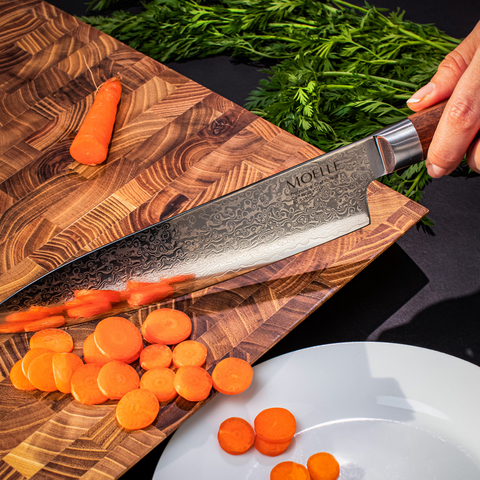
Why the Right Commercial Knife Matters
Precision and Efficiency
A well-made commercial kitchen knife allows clean, predictable cuts. Whether you are slicing vegetables for prep or portioning proteins during service, the right blade reduces resistance and improves speed.
Over time, this consistency supports better portion control and more uniform presentation.
Improved Safety
It may seem counterintuitive, but quality knives are generally safer to use. Blades that hold their edge require less force, which reduces the risk of slipping. Good balance also helps reduce strain during long prep sessions.
In a busy kitchen, these small differences add up quickly.
Long Term Value
Professional knives often come with a higher upfront cost, but they tend to perform reliably for many years when properly maintained. Fewer replacements and less frequent sharpening can make them more economical over time.
Support for Skilled Work
When knives feel stable and predictable, it becomes easier to execute more precise cuts. For chefs and kitchen teams, reliable tools help maintain consistency across services.
Essential Knives for a Restaurant Kitchen
Most commercial kitchens rely on a core set of knives rather than a large collection. A practical foundation usually includes:
-
Chef’s knife for general prep
-
Paring knife for detail work
-
Bread or serrated knife for crusted items
-
Boning knife for proteins
-
Utility knife for smaller everyday tasks
Building around these essentials tends to cover the majority of kitchen needs.

What to Look for in Commercial Kitchen Knives
Blade Material
High-carbon stainless steel is widely used in professional kitchens because it balances sharpness, durability, and corrosion resistance. It performs reliably in high-volume environments.
Balance and Weight
A commercial knife should feel stable in the hand. The balance between blade and handle matters more than the absolute weight. What feels comfortable during a quick test often becomes critical during long prep sessions.
Handle Comfort
Look for handles that provide a secure, non-slip grip even when hands are slightly damp. Comfort becomes especially important during extended use.
Maintenance Requirements
In a professional setting, knives need to be easy to maintain. Consider how often the blade will need honing or sharpening and whether your kitchen has a routine for this.

Frequently Asked Questions
-
What knives are essential for a restaurant kitchen?
Most kitchens start with a chef’s knife, paring knife, bread knife, boning knife, and utility knife. -
Which blade material is best for commercial use?
High-carbon stainless steel is commonly preferred because it balances sharpness, durability, and corrosion resistance. -
How should commercial kitchen knives be maintained?
Hone regularly, sharpen as needed, wash by hand, and dry thoroughly after each use. -
What safety habits should kitchen staff follow?
Use the correct knife for each task, keep blades sharp, use stable cutting boards, and maintain proper hand positioning. -
How do I choose the right knife size?
Choose based on the tasks performed most often and what feels balanced in your hand. Many chefs prefer an 8 to 10-inch chef’s knife for general prep.
Building a Knife Setup That Works Under Pressure
In a restaurant environment, knives need to do more than look good. They must perform consistently, clean easily, and remain comfortable through long shifts.
Choosing thoughtfully at the start helps avoid small frustrations later. When the right knives are in place, prep becomes smoother, service feels more controlled, and the kitchen can focus on what matters most: delivering good food, consistently.


